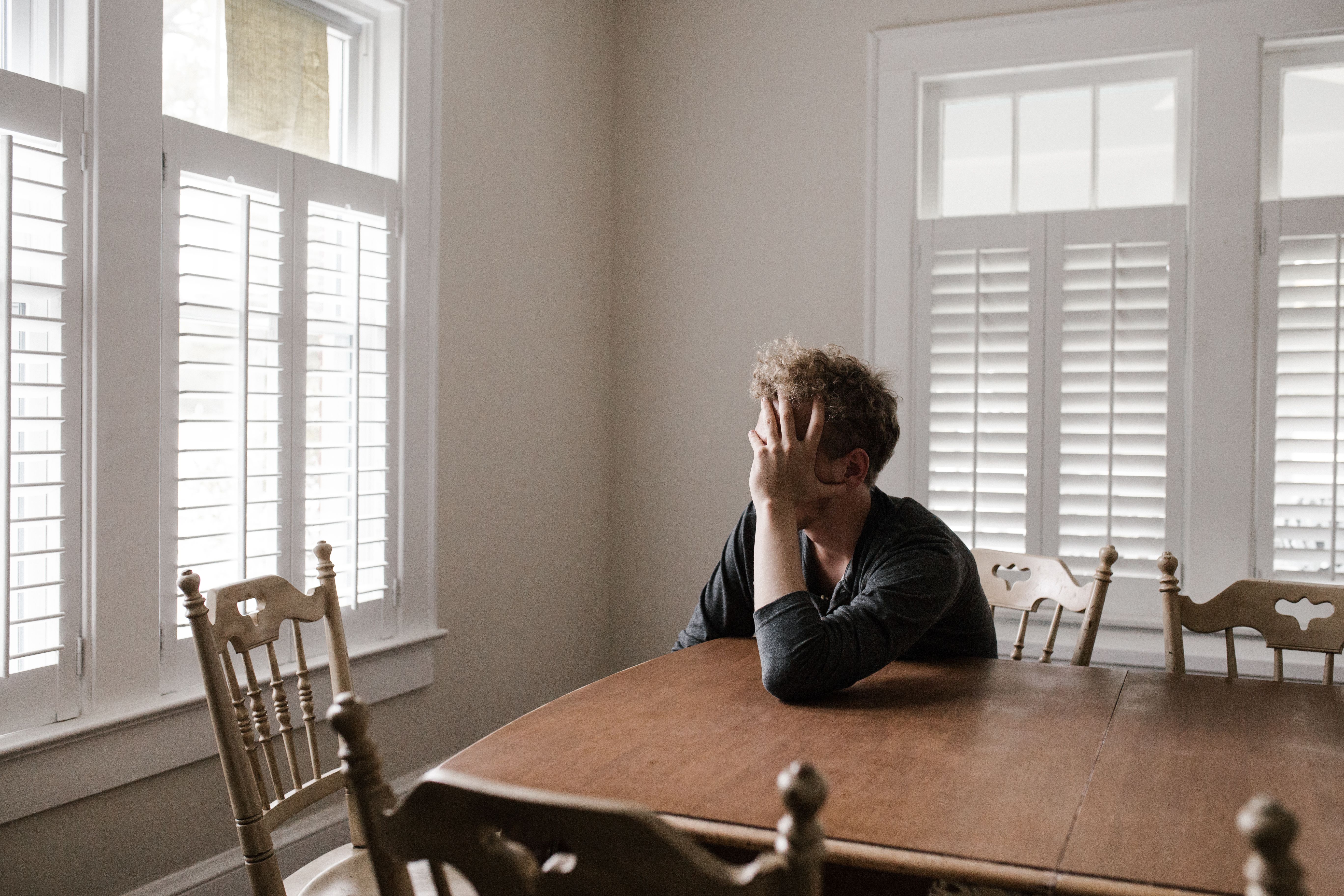


Why Family Gatherings Trigger Anxiety, Anger & Old Relationship Patterns
You’re a grown man. You’ve built a career, developed your own opinions, perhaps started a family of your own and generally have a pretty good handle on life.
Then you head home for Christmas lunch and within twenty minutes, you're arguing with your brother about something that happened fifteen years ago.
Your mum's asking why you don't visit more often. Your dad's making the same comments about your career. Someone brings up an embarrassing childhood story and suddenly you're feeling like an irritated teenager again.
Sound familiar?
Family anxiety and conflict can bring out sides of ourselves we thought we'd left behind. Even when we genuinely love our families, spending time together can stir up frustration, resentment, insecurity and emotions we don't always understand.
For many men, these feelings become especially noticeable during Christmas, birthdays and other family gatherings, when expectations are high and there's pressure for everyone to get along.
But why does this happen? And more importantly, how can you stop falling into the same old patterns every time the family gets together?
Why Does Being Around Family Trigger Anxiety?
Family is supposed to be a source of comfort, connection and belonging. And for many people, it is.
But family relationships are also some of the longest and most emotionally complicated relationships we'll ever have.
Unlike friendships or workplace relationships, we don't always get to choose the people we're related to. We also share years of experiences, expectations, disagreements and memories that can influence how we interact today.
Family anxiety isn't necessarily about what's happening in the moment. Sometimes, it's about everything that happened before it.
You might feel perfectly comfortable speaking up at work but struggle to disagree with your parents. You might be patient with your own children but snap at your siblings.
These reactions can be confusing, particularly when you consider yourself a fairly calm, rational person.
Your Body Can React Before You've Had Time to Think
When we anticipate criticism, rejection or conflict, our bodies can respond as though we're facing a threat.
You might notice your shoulders tightening, your heart beating faster, or your patience disappearing.
This is part of the body's stress response. According to Healthdirect's guidance on anxiety, anxiety is a natural response to perceived threats, although persistent or overwhelming anxiety can interfere with everyday life.
In family situations, the perceived threat isn't necessarily physical danger. It might be the possibility of being criticised, embarrassed, dismissed or drawn into another argument.
Recognising these responses can help you understand why certain family interactions feel so emotionally exhausting.
Understanding Family Dynamics & Old Relationship Patterns
Every family develops its own way of communicating, resolving disagreements and expressing emotions.
Some families talk openly about everything. Others avoid uncomfortable conversations altogether. In some households, arguments are loud and quickly forgotten. In others, resentment quietly builds for years.
These patterns are known as family dynamics and they can influence how we see ourselves and relate to others long after childhood.
Why You Fall Back Into Old Family Roles
Think about the role you played growing up.
Were you the responsible older brother who was expected to set an example? The troublemaker who always got blamed? The quiet one who kept the peace? Or the son who never quite lived up to expectations?
Even as adults, we can slip back into these familiar roles.
For example, a man who spent his childhood trying to keep everyone happy might still struggle to say no to his parents. Someone who was constantly compared with a sibling might become defensive whenever their achievements are discussed.
The frustrating part? Your family might still treat you according to the person you were twenty years ago, rather than the person you've become.
Understanding these patterns doesn't mean blaming your parents or siblings for everything. It means recognising how familiar interactions can influence your reactions today.
Once you recognise a pattern, you have a better chance of responding differently.
Why Family Conflict Can Trigger Anger in Men
For some men, family anxiety doesn't look like nervousness or worry.
It looks like anger.
You might become impatient, withdraw from conversations, make sarcastic comments or find yourself getting disproportionately frustrated over something relatively minor.
Maybe your dad questions how you're raising your children. Your brother makes another joke at your expense. Or someone offers unsolicited advice about your relationship.
On the surface, your reaction might seem excessive. But beneath the anger, you may feel other emotions worth exploring.
Anger Can Be a Response to Feeling Hurt, Judged or Powerless
Anger is a normal human emotion. It can arise when we feel threatened, treated unfairly or disrespected.
However, it can also become a familiar way of responding to uncomfortable feelings.
For some men, expressing frustration feels easier than admitting they're hurt, embarrassed or anxious.
Consider the difference between these two reactions:
"I'm sick of my family constantly interfering in my life."
And:
"I feel like my family doesn't trust me to make my own decisions."
Both might describe the same experience, but the second identifies something important beneath the frustration.
That distinction matters because understanding the emotion behind your anger can help you communicate more effectively.
It doesn't mean anger is always hiding another feeling, or that anger itself is wrong. What matters is how you respond.
If you frequently lose your temper, struggle to calm down or find that arguments are affecting your relationships, exploring anger management therapy may help you identify triggers and develop healthier responses.
How Childhood Experiences Influence Adult Family Relationships
You don't have to have experienced a particularly difficult childhood to carry old relationship patterns into adulthood.
Sometimes, smaller experiences leave a lasting impression.
Perhaps your parents rarely acknowledged your achievements. Maybe disagreements were met with silence. Perhaps expressing sadness was discouraged, while being tough and independent was praised.
Over time, these experiences can influence how you respond to criticism, communicate your needs and manage conflict.
Recognising Emotional Triggers From the Past
An emotional trigger is something that brings up a strong reaction because of the meaning or memories associated with it.
For example:
- Being interrupted: If you frequently felt unheard growing up, being spoken over at dinner might feel particularly frustrating.
- Receiving unsolicited advice: If your decisions were regularly questioned, even well-intentioned suggestions might feel controlling.
- Being compared with siblings: Old feelings of inadequacy or competition may resurface when family members discuss achievements.
- Feeling excluded: Being left out of conversations or decisions might bring back memories of not belonging.
- Having your feelings dismissed: Comments such as "you're overreacting" might feel especially upsetting if your emotions were rarely acknowledged.
Not every strong reaction is evidence of childhood trauma. Sometimes a relative is simply behaving badly, or you're dealing with genuine conflict in the present.
However, when the same emotional response keeps appearing in similar situations, it's worth asking whether a deeper pattern exists.
The goal isn't to spend every family gathering analysing your childhood. It's to develop enough awareness that your past doesn't automatically dictate how you respond today.
Managing Family Stress During Christmas & Holiday Gatherings
Christmas has a remarkable ability to bring people together while simultaneously testing everyone's patience.
There's the pressure to buy presents, organise meals, travel between households and somehow keep every relative happy.
Add financial stress, alcohol, parenting disagreements and a few unresolved family issues and even a relatively peaceful gathering can become difficult.
For men who already experience family anxiety, the expectation that Christmas should be a happy occasion can make things even harder.
You might feel guilty for not wanting to attend. Or frustrated that everyone else seems excited while you're quietly dreading the day.
The Pressure to Keep Everyone Happy
One of the biggest contributors to family stress is believing you're responsible for everyone else's experience.
Perhaps you're trying to keep your parents happy while also making sure your partner and children enjoy themselves.
Maybe you're navigating separated parents who both expect you to attend Christmas lunch.
Or perhaps you're the person everyone relies on to smooth things over when tensions rise.
It's a lot to carry.
And when you're constantly managing other people's expectations, your own needs can quickly disappear.
You can care about your family without taking responsibility for every disagreement, disappointment or uncomfortable emotion.
Sometimes, managing Christmas family conflict begins with accepting that you cannot control how everyone else behaves.
You can only make thoughtful decisions about your own involvement.
Setting Boundaries With Difficult Family Members
Setting boundaries with family can feel uncomfortable, particularly if you've spent years avoiding confrontation.
You might worry about disappointing your parents, upsetting a sibling or being accused of becoming selfish.
But healthy boundaries aren't about punishing people or cutting them out of your life.
They're about communicating what you're comfortable with and deciding how you'll respond when others don't respect those limits.
What Healthy Family Boundaries Actually Look Like
Boundaries don't have to involve dramatic conversations or ultimatums.
Often, they're simple and practical.
For example:
- Personal questions: "I'd rather not discuss my finances today."
- Parenting criticism: "I appreciate your concern, but we're comfortable with how we're handling it."
- Unwanted arguments: "I don't think we're going to agree on this, so I'd rather leave it there."
- Time commitments: "We'll come for lunch, but we'll need to leave by three."
- Disrespectful comments: "I'm happy to talk about this, but not if we're going to insult each other."
The key is to communicate clearly and calmly, without feeling obliged to provide a lengthy justification.
You also need to be realistic about what boundaries can achieve.
You can't force a family member to agree with your decisions or change their personality. But you can decide whether to continue a conversation, how long to stay and what behaviour you're prepared to accept.
For more guidance on navigating difficult relationships, Blokes Psychology provides individual psychological support for men experiencing relationship difficulties.
Practical Strategies for Managing Anxiety & Anger at Family Gatherings
Understanding your family dynamics helps, but what can you do when you're sitting around the table and the same arguments start up?
Here are some practical strategies to help manage family anxiety and conflict.
1. Identify Your Triggers Before the Gathering
Think about previous family events.
Which conversations tend to create tension? Are there particular people or situations that leave you feeling criticised, anxious or angry?
Recognising these patterns beforehand allows you to prepare rather than simply react.
You might decide to avoid certain topics, keep the visit shorter, or talk with your partner about how you'll support each other.
Preparation doesn't guarantee a conflict-free gathering, but it can reduce the feeling of being caught off guard.
2. Notice When Your Emotions Are Escalating
Anger and anxiety often have physical warning signs.
You might start speaking faster, clench your jaw, feel hot, or struggle to concentrate.
When you notice these changes, permit yourself to pause.
Take a few slow breaths, step outside for some fresh air or excuse yourself from the conversation.
The aim isn't to suppress your emotions. It's to create enough space to choose how you respond.
The Australian Government's Healthdirect anger management guide also recommends recognising triggers, taking time out and using controlled breathing to help manage escalating anger.
3. Stop Trying to Win Every Argument
Not every disagreement needs a winner.
You might strongly disagree with your father's political opinions, your brother's parenting advice or your uncle's views on how you should live your life.
But ask yourself: will continuing this conversation actually achieve anything?
Sometimes, the healthiest response is to acknowledge the disagreement and move on.
You don't need to convince someone you're right to stay confident in your decisions.
4. Communicate What You're Feeling Rather Than Attacking
When emotions are running high, it's easy to fall into accusations.
"You always criticise everything I do."
"You never listen to me."
"You're exactly the same as you've always been."
These statements can quickly make someone defensive.
Instead, try explaining the impact of the behaviour.
"I feel frustrated when my parenting decisions are questioned in front of the kids."
Or:
"I'd like to finish what I'm saying before we move on."
This approach doesn't guarantee the other person will respond positively, but it gives the conversation a better chance of remaining constructive.
5. Give Yourself Permission to Leave
There's no rule saying you must stay at a family gathering until every conversation has finished and every relative is satisfied.
If tensions are escalating, taking a break or leaving early may be the most sensible decision.
This is particularly important if someone becomes threatening, aggressive or abusive. Your safety and the safety of others come before maintaining appearances.
And remember, choosing to leave a difficult situation isn't necessarily avoiding the problem. Sometimes it's recognising that the situation isn't productive or safe.
When Should You Seek Professional Support for Family Anxiety & Conflict?
Most families experience disagreements. Having the occasional frustrating Christmas lunch doesn't necessarily mean you need psychological support.
However, if family conflict regularly affects your mental health, relationships or everyday life, speaking with a psychologist may be worthwhile.
Some signs include:
- Persistent anxiety: You spend days or weeks worrying about upcoming family interactions.
- Recurring anger: You regularly lose your temper or struggle to manage frustration around particular relatives.
- Relationship difficulties: Family conflict begins affecting your partner, children or friendships.
- Avoidance: You withdraw from family events because the emotional pressure feels overwhelming.
- Unresolved experiences: Past family relationships continue influencing your confidence, self-esteem or emotional wellbeing.
- Unhealthy coping: You increasingly rely on alcohol, isolation or other behaviours to manage difficult emotions.
At Blokes Psychology, we understand that talking about family relationships isn't always straightforward.
You might love your family while feeling deeply frustrated by them. You might want a closer relationship with your parents but struggle to move beyond old disagreements.
Or perhaps you're simply tired of becoming someone you don't particularly like whenever the family gets together.
Through anxiety therapy, anger management support and individual relationship-focused therapy, our psychologists can help you better understand your reactions, recognise unhelpful patterns and develop practical strategies for managing difficult relationships.
The aim isn't necessarily to change your family.
It's to help you approach those relationships with greater awareness, confidence and control over your own responses.
Frequently Asked Questions About Family Anxiety & Conflict
Why does my family trigger my anxiety more than other people?
Family relationships often involve a long history of experiences, expectations and emotional associations. Situations that remind you of past criticism, conflict or rejection may trigger anxiety, even when you feel confident in other areas of life. Understanding these patterns can help you identify what's contributing to your reactions.
Why do I become angry when I'm around my parents?
Anger around parents can sometimes relate to unresolved disagreements, feeling judged, old family roles or differences in values. You may also react to familiar communication patterns. Recognising what specifically triggers your anger is an important first step towards managing it.
How do I deal with toxic or difficult family members?
Start by identifying which behaviours are affecting you and what boundaries you need. Communicate those boundaries clearly, avoid unnecessary arguments and consider limiting contact when interactions repeatedly harm your wellbeing. If the relationship involves abuse or threats, prioritise safety and seek appropriate support rather than trying to manage the situation through communication alone.
Is it normal to dread family gatherings?
Yes. You can care about your relatives while feeling anxious about spending time together. Family conflict, social expectations, unresolved issues and difficult relationships can all contribute to that dread. If anxiety becomes persistent or begins interfering with everyday life, psychological support may help.
Can therapy help with family conflict even if my relatives won't attend?
Absolutely. Individual therapy can help you understand your emotional triggers, improve communication, establish boundaries and reconsider unhelpful relationship patterns. You don't need other family members to participate to start changing how you respond to difficult situations.